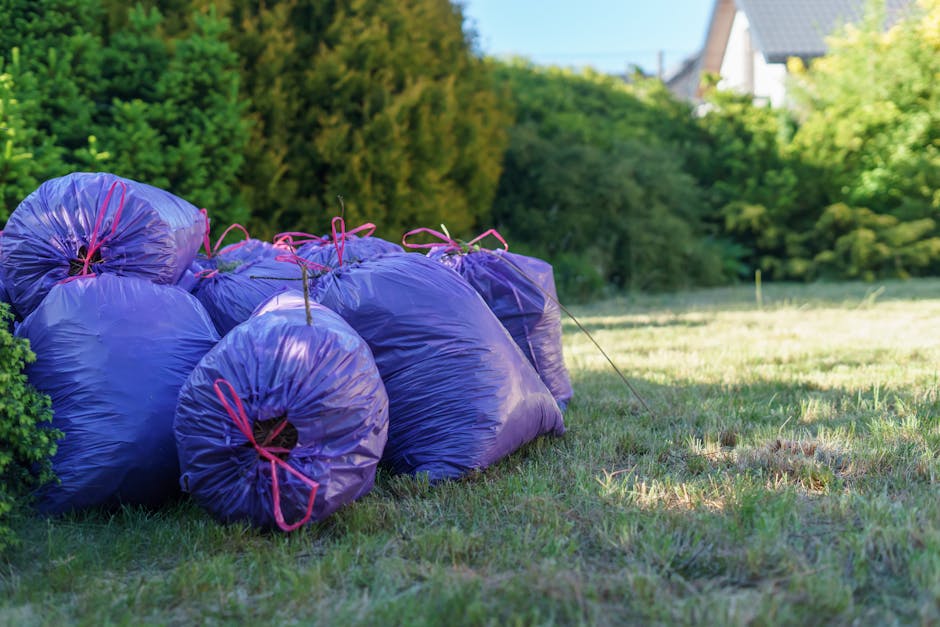
What Barnet Council rules mean for Hendon garden waste
If you live in Hendon and you're trying to work out what Barnet Council rules mean for Hendon garden waste, you're not alone. Garden clear-ups sound simple enough until you hit the practical bits: what can go in, what needs separating, whether your hedge clippings count, and what happens if you've got more waste than the usual bin can take. Truth be told, those little details matter more than most people expect.
This guide breaks the topic down in plain English. You'll learn how Barnet's approach affects everyday garden jobs, what to do if you're trimming back a fast-growing lawn or clearing leaves after a wet week, and how to stay on the right side of local rules without making the job harder than it needs to be. If you're comparing local waste support or planning a larger clear-out, it also helps to know where garden waste sits alongside other services such as house clearance, rubbish removal, and garden clearance.
One thing to keep in mind: council rules are about more than just convenience. They shape what gets collected, how contamination is avoided, and whether your waste can be handled efficiently. A damp pile of soil, a bag of food scraps, and a load of branches are not the same thing, even if they all came from the same weekend in the garden.
Table of Contents
- Why what Barnet Council rules mean for Hendon garden waste matters
- How the system works in practice
- Key benefits and practical advantages
- Who this is for and when it makes sense
- Step-by-step guidance
- Expert tips for better results
- Common mistakes to avoid
- Tools, resources and recommendations
- Law, compliance, standards and best practice
- Options, methods and comparison table
- Case study or real-world example
- Practical checklist
- Conclusion
- Frequently asked questions
Why what Barnet Council rules mean for Hendon garden waste Matters
Garden waste sounds harmless, but councils treat it carefully because it affects recycling quality, collection efficiency, and the overall cost of local services. In Hendon, that means the rules around what you put out, when you put it out, and how you prepare it can make a real difference to whether it's collected smoothly or rejected.
For most households, the big issue is simple: green waste is usually only useful for composting or treatment if it's kept clean and sorted. A bin full of weeds is one thing. A bin full of weeds mixed with rubble, plastic plant pots, or old turf bags is another. That kind of contamination can create extra work, and councils are understandably strict about it.
It also matters because many people assume any outdoor waste is automatically "garden waste." Not quite. Soil, stones, treated timber, broken fencing, and general household rubbish often fall into different categories. If you're having a big tidy-up after a hedge cut or an overgrown border clear, those distinctions can be the difference between a straightforward collection and a frustrating refusal.
For Hendon residents, this has a practical side too. Garden work often happens in bursts: spring pruning, summer mowing, autumn leaf-fall, and the occasional "right, let's just sort the whole thing out" Saturday. The rules help you plan those jobs properly so you are not left with piles of bags sitting on the drive. Nobody wants that, especially when the rain starts, the bins are already full, and the neighbours are quietly watching from behind a curtain. We've all been there.
If you're coordinating a bigger domestic clear-up, it can also help to think beyond the garden itself. Services such as deceased estates clearance or commercial clearance may become relevant where outside waste is only one part of a wider removal job. That wider view can save time, money, and a fair amount of back-and-forth.
How what Barnet Council rules mean for Hendon garden waste Works
At a practical level, Barnet's approach is about separating garden waste from other materials and making sure it can be managed through the right collection route. The exact service setup can change, so the safest habit is to check the current rules before putting anything out. Still, the underlying logic tends to stay the same.
Garden waste usually includes organic material from routine maintenance: grass cuttings, hedge trimmings, small branches, leaves, weeds, and dead plants. What usually causes problems is the mixed stuff. Think flowerpots, string, plastic ties, compost bags with the wrong contents, or heavier items like soil and rubble. Those are the bits that can derail a collection.
There's also a difference between a light seasonal tidy and a full-scale clearance. If you're just trimming a border, you may only need a small, tidy bag of green waste. If you've got a hedge the size of a small wall and a shed corner full of old planters, the job starts looking more like a clearance project than a routine collection. That is where planning matters.
In many local service models, residents either use a dedicated garden waste service, a seasonal collection arrangement, or a one-off removal option. The main thing is to match the waste to the correct service. A collection system works best when the material is predictable and clean. It's not about being fussy for the sake of it. It's about making sure the whole process functions without delays.
Some homeowners find it helpful to separate waste as they work rather than at the end. One pile for branches, another for soft green waste, another for anything that needs special handling. It sounds a bit overly organised at first, but honestly, it saves time when the pile starts to grow faster than you expected. Grass, clippings, and leaves can bulk up quickly on a windy afternoon.
If you need a broader one-off solution, comparing garden work with broader waste disposal options can help you decide whether the material is best handled through a standard collection or a more flexible removal service.
Key Benefits and Practical Advantages
Understanding the rules is not just about avoiding mistakes. It can make garden maintenance easier, cheaper in the long run, and a lot less stressful when your outdoor space gets busy in peak growing season.
- Cleaner collections: Correctly sorted waste is more likely to be accepted without hassle.
- Less risk of rejection: Keeping out soil, plastic, and non-garden items reduces the chance of a missed pickup.
- Better planning: You can decide whether a weekly trim, a seasonal tidy, or a full clearance needs a small or larger service.
- Improved garden workflow: Sorting waste as you go makes pruning and mowing feel more manageable.
- More sustainable handling: Organic garden waste can often be processed more effectively when it is clean.
There's another benefit that people sometimes overlook: peace of mind. Once you know what belongs where, you stop second-guessing yourself every time you cut a branch or clear a bed. That sounds minor, but it matters when you're trying to get a job done in one afternoon before the light goes. The kettle is on, the shears are out, and you just want the pile to disappear properly.
For larger households or properties with bigger gardens, the practical advantage is even clearer. Fewer errors means fewer delays. And fewer delays mean you can keep on top of seasonal growth rather than letting it spiral into a full-blown weekend project. Lets face it, once a garden has run wild a bit, it becomes two jobs: the gardening itself and the cleanup after it.
Who This Is For and When It Makes Sense
This topic matters to a wide mix of Hendon residents, not just keen gardeners. If you own or rent a home with a front or back garden, you'll probably deal with garden waste at some point. Even a small patch of lawn produces more waste than people expect over a year.
It's especially relevant if you:
- regularly mow a lawn or trim hedges
- clear leaves in autumn
- are preparing a garden for sale or letting
- have moved into a property with overgrown borders
- need to remove old planting, branches, or cutbacks after stormy weather
- want to avoid mixing green waste with general rubbish
There are also situations where a one-off solution makes more sense than trying to manage everything yourself. Maybe the garden has not been touched for months. Maybe a tree surgeon left you with a heap of cuttings. Or maybe you are doing a bigger domestic project and the garden is only one part of it. In those cases, a more flexible service can be useful, especially if you are already arranging office clearance or other property clearance work nearby and want one joined-up job rather than several smaller ones.
In our experience, people usually fall into one of two camps: the regular maintenance crowd and the "right, I've had enough of this jungle" crowd. Both need the same core knowledge, just at different scales.
Step-by-Step Guidance
Here's a straightforward way to handle garden waste in Hendon without making the process harder than it needs to be.
- Identify the waste properly. Separate soft green waste from woody cuttings, soil, stones, and anything man-made.
- Check the current local rules. Collection arrangements can change, so verify what your household is expected to do before putting anything out.
- Sort the material as you work. Use separate piles or bags for different waste types. It saves a lot of sorting later.
- Keep bags manageable. Overfilled sacks can split, especially if damp. Heavy bags are awkward anyway.
- Avoid contamination. Remove plastic tags, plant labels, wire, old pots, and general rubbish from green waste.
- Store waste safely until collection. Keep it out of the way of paths, driveways, and shared access areas.
- Choose the right disposal route for larger jobs. If the waste is too much for a normal collection, consider a garden clearance or other removal option.
- Plan for weather. Wet leaves and clippings are heavier and messier. They smell a bit earthier too, which is fine, but they become difficult fast.
If you're tackling a mixed pile, start with the obvious stuff first. Branches, clippings, ivy, weeds. Then deal with anything uncertain. That small pause is worth it. A quick check now is better than having a collection refused later because a few non-garden items were hidden at the bottom.
A practical example: after a hedge trim, one Hendon homeowner might have several bags of green waste, a bundle of canes, and a broken planter. The green waste can usually follow the garden route, but the planter may need separate disposal. That split approach is simple, and it keeps the whole job tidy.
Expert Tips for Better Results
A few small habits can make a surprisingly big difference.
- Cut waste smaller where possible. Shorter branches are easier to stack, bag, and move.
- Let very wet waste drain first. Damp material gets heavy fast, and nobody enjoys wrestling a sodden bag down the side path.
- Don't overpack. The bag may look neat, but if it is too full to move safely, it is not actually helping.
- Keep garden waste separate from household rubbish. Mixed waste causes the most problems.
- Bundle woody cuttings carefully. Secure ties help, but avoid anything that creates contamination.
- Work in stages for large gardens. Doing everything in one go is often unnecessary and exhausting.
If you have a bigger outdoor space, think in seasons rather than single jobs. Spring growth, midsummer pruning, and autumn leaf fall all create different kinds of waste. That is why many people in London find it easier to use a regular pattern rather than waiting until the garden gets out of hand.
Small tip, but a useful one: keep a spare bag or two near the shed. You will use them. Probably sooner than you think.
Common Mistakes to Avoid
Most issues with garden waste are avoidable. The same few mistakes crop up again and again.
- Mixing garden waste with general rubbish. Food packaging, household clutter, and garden material do not belong together.
- Including soil, rubble, or stones in green waste. These materials are commonly handled differently.
- Putting out large branches without checking acceptable size limits. Bigger woody items may need special handling.
- Using the wrong bags or containers. Weak bags split, spill, and create an extra mess.
- Leaving waste too long before collection. It can become wet, heavy, smelly, or inconvenient for neighbours.
- Assuming every council service works the same way. Local arrangements can differ, and they do change.
The most expensive mistake is usually not the waste itself, but the time lost fixing avoidable problems. You put it out, it is not taken, then you're back outside with gloves on, trying to sort out what went wrong. Not ideal on a Sunday afternoon.
If your job involves more than a few bags, or if you've got mixed materials from a bigger tidy-up, it may be worth looking at flexible garage clearance or similar support to keep different waste streams separate from the start.
Tools, Resources and Recommendations
You do not need fancy equipment to manage garden waste properly, but the right basics make life easier.
- Heavy-duty garden gloves: useful for thorns, damp debris, and rough branches.
- Strong refuse or garden sacks: avoid flimsy bags that split halfway to the gate.
- Pruning shears and loppers: help reduce bulky clippings before disposal.
- A rake and tarpaulin: handy for gathering leaves and moving material cleanly.
- Wheelbarrow or sturdy tub: useful for carrying heavier loads safely.
As a general rule, the cleaner and more organised the waste stream, the easier the disposal stage becomes. That applies whether you are dealing with a few cuttings or a full back-garden overhaul. A simple tarp on the lawn can also save time. Tip everything onto it, sort it, then move it. Old-school, maybe, but it works.
It can also help to keep a note of what your property actually produces over a few months. Sounds a bit over the top, maybe. But once you know whether your garden makes mostly grass, hedge trimmings, or heavy leafy waste, you can plan the right disposal method much more confidently.
If you're trying to compare garden work with other forms of bulky or domestic waste removal, the service pages for bulky item collection and electrical appliance disposal can help clarify what belongs in each category. That makes mixed clear-outs less confusing.
Law, Compliance, Standards and Best Practice
Local garden waste rules are mainly about proper waste separation and responsible handling. While the exact details depend on the current council service, the broader best practice is consistent: keep green waste clean, do not mix in prohibited materials, and use the appropriate collection or removal route.
For householders, compliance usually comes down to three simple habits:
- Sort correctly so the waste can be accepted and processed properly.
- Present waste safely so it is easy to collect without creating hazards.
- Follow local instructions on container type, timing, and acceptable material.
That might sound basic, but basic is often where problems start. For example, a bag of weeds looks harmless until it contains a few tiles, a broken planter, and an old bit of fence post. Then it is no longer garden waste in any practical sense.
If you are unsure whether something is allowed, treat uncertainty as a sign to separate it rather than guess. That one habit prevents a lot of headaches. When in doubt, keep it out of the green pile and handle it separately.
For larger or mixed domestic jobs, a professional clearance route can be the safer option because it reduces the risk of mis-sorting and helps ensure the material goes to the right place. That is particularly useful when the garden is only one part of a broader property project.
Options, Methods and Comparison Table
Not every garden waste job needs the same solution. The best choice depends on volume, waste type, and how quickly you need it gone.
| Option | Best for | Strengths | Limitations |
|---|---|---|---|
| Routine council garden collection | Regular clippings, weeds, leaves, light hedge trimmings | Simple for ongoing maintenance; suited to clean green waste | May have rules on container type, size, and what can be included |
| DIY composting | Lawns, leaves, soft plant matter | Low waste, useful for the garden, environmentally tidy | Not suitable for all materials and takes time |
| One-off garden clearance | Overgrown plots, large seasonal cuts, mixed garden debris | Flexible for bigger jobs and awkward loads | Best for larger or more complex jobs rather than minor trim-offs |
| Mixed clearance service | Garden waste alongside household clutter or bulky items | Useful when several waste types need handling together | Requires good sorting so the right items go to the right stream |
If you like a clean, low-cost routine, composting and regular small collections can work well. If you are facing a once-a-year "the garden has taken over" situation, a one-off removal is often more practical. No drama, just the right fit for the job.
Case Study or Real-World Example
Imagine a Hendon terrace with a back garden that has been left alone for most of the winter. By March, there are dead stems, leaf litter in the corners, a hedge that needs cutting back, and a couple of cracked plant pots lying behind the shed. Nothing outrageous, but enough to feel like a proper task.
The homeowner starts by separating soft green waste from the non-organic items. The leaves and cuttings go into one pile. The pots, old ties, and broken bits of plastic go into another. The hedge trimmings are cut smaller so they do not create an awkward heap. By the time the job is done, the collection is straightforward because the waste has been sorted properly from the start.
That is the key lesson. Most garden waste problems are not really about volume alone. They are about mixing. Once the waste is cleanly separated, even a fairly messy garden becomes manageable. Small process, big difference.
In a bigger version of the same scenario, where the garden clear-up is part of moving house or preparing a rental property, residents often pair the work with broader services like end of tenancy clearance or loft clearance. That makes the whole project more organised, especially when the outdoors and indoors both need attention at once.
Practical Checklist
Before you put out garden waste in Hendon, run through this list:
- Have I separated green waste from household rubbish?
- Have I removed plastic, wire, pots, stones, and rubble?
- Is the material light enough and packed safely?
- Have I checked the current local collection instructions?
- Is the waste stored neatly and securely before pickup?
- Do I need a one-off removal because the volume is too large?
- Have I dealt with any sharp or awkward branches safely?
- Would composting part of the material reduce the load?
If you can tick most of those off, you are already in good shape. The main aim is simple: keep the waste clean, manageable, and matched to the right disposal route. That is really the whole game.
Get a free quote today and see how much you can save.
Conclusion
What Barnet Council rules mean for Hendon garden waste is, at heart, a question of sorting, timing, and choosing the right disposal method. If you keep garden waste clean, separate it properly, and avoid mixing in the wrong materials, you make life easier for yourself and reduce the chance of collection problems.
For small jobs, that might mean a few tidy bags after a weekend cutback. For bigger jobs, it may mean a more flexible clearance solution that handles mixed or bulky material in one go. Either way, the principle stays the same: know what you have, treat it properly, and plan ahead just a little. That small bit of care pays off.
And honestly, once the waste is gone and the garden looks lighter, there's a particular kind of calm to it. You step outside, breathe in the fresh cut grass, and the whole place feels more usable again. Nice feeling. Simple, but nice.
Frequently Asked Questions
What counts as garden waste in Hendon?
Garden waste usually means organic material from normal gardening work, such as grass cuttings, leaves, weeds, hedge trimmings, and small branches. Anything non-organic, like plastic pots, wire, or rubble, should be separated.
Can I put soil in my garden waste collection?
Soil is often handled differently from green waste, so it is best not to assume it can go in the same bag. Check the current collection guidance or keep it separate for a different disposal route.
What happens if I mix rubbish with garden waste?
Mixed waste can cause a collection problem or rejection because it makes the load harder to process. Even a small amount of contamination can create issues, so it is worth separating waste carefully.
Do I need a special bin for garden waste?
That depends on the current local service arrangement. Some households use a dedicated container, while others rely on a different collection method. The safest approach is to check the current instructions before putting anything out.
Is composting a good alternative?
Yes, for suitable organic material. Grass cuttings, leaves, and soft plant matter often work well in a compost heap or bin. Woody material and diseased plants may need different handling, so it is worth sorting first.
Can I dispose of large branches with normal garden waste?
Large or awkward branches may not be suitable for a standard collection. Cut them down where possible and check whether the service you are using accepts that size and shape of material.
How do I know if I need a garden clearance service?
If the waste is too much for a routine collection, includes mixed items, or comes from a heavily overgrown garden, a one-off clearance service may be more practical. It is usually the better choice for bigger jobs.
Are weeds and dead plants allowed in garden waste?
Usually, yes, because they are organic garden material. It is still important to remove any attached plastic ties, pots, or other non-organic bits before disposal.
What is the easiest way to avoid collection problems?
Keep the waste clean, dry enough to handle, and properly sorted. That one habit prevents most of the common issues people run into.
Can I combine garden waste with household clearance items?
Sometimes yes, but only if the waste is sorted into the correct categories. If you have both garden waste and domestic clutter, a broader removal service can be more practical than trying to force everything into one pile.
What should I do with old plant pots and broken tools?
Those items are not garden waste in the usual sense. They are better treated as separate material, depending on their condition and composition. Keeping them out of the green waste stream avoids problems later.
Is there a best time of year to deal with garden waste?
Spring and autumn tend to be the busiest times because gardens grow, shed, and change quickly. That said, regular small clear-ups usually work better than waiting for one huge seasonal job.