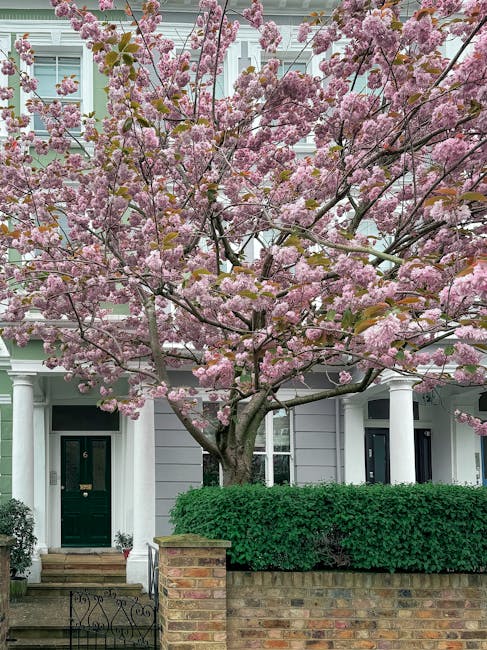
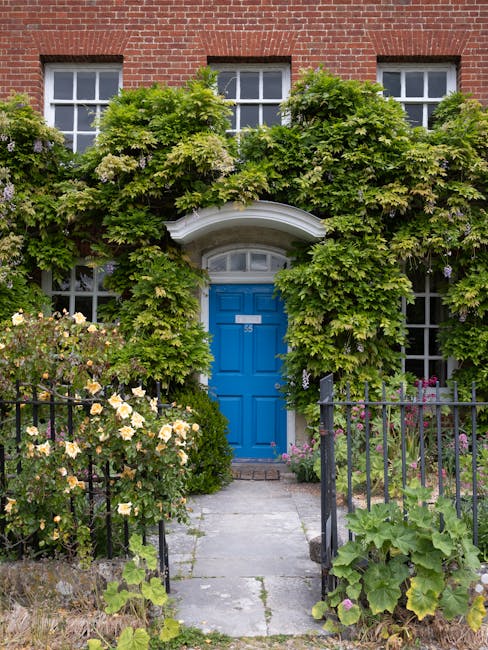
Small front garden designs for Watford Way homes by gardeners
If you live on Watford Way, you already know the front garden has a lot to do in a very small space. It needs to look welcoming from the pavement, stay manageable through wet winters and dry spells, and still feel like part of the home rather than an awkward strip of leftover ground. That is exactly where Small front garden designs for Watford Way homes by gardeners can make a real difference. A good design is not just about pretty plants. It is about proportion, access, drainage, privacy, maintenance, and getting the front of the property to work properly day after day.
Truth be told, the best small front gardens are rarely the most complicated ones. They are the ones that feel calm, tidy, and deliberate. With a bit of planning, even a narrow or shallow frontage can gain structure, colour, and a stronger first impression without becoming high-maintenance. In this guide, we will look at practical layout ideas, what to avoid, how gardeners approach these projects, and how to choose the right mix of planting, hard landscaping, and upkeep for a Watford Way home.
For broader help with ongoing care once the design is in place, many homeowners also look at garden maintenance support and, where a full refresh is needed, landscape gardening services.
Table of Contents
- Why Small front garden designs for Watford Way homes by gardeners Matters
- How Small front garden designs for Watford Way homes by gardeners Works
- Key Benefits and Practical Advantages
- Who This Is For and When It Makes Sense
- Step-by-Step Guidance
- Expert Tips for Better Results
- Common Mistakes to Avoid
- Tools, Resources and Recommendations
- Law, Compliance, Standards, or Best Practice
- Options, Methods, or Comparison Table
- Case Study or Real-World Example
- Practical Checklist
- Conclusion
- Frequently Asked Questions
Why Small front garden designs for Watford Way homes by gardeners Matters
Small front gardens are easy to underestimate. They are only a few square metres, so people often treat them as a place for a random shrub, a bit of gravel, and whatever is left over after the driveway is sorted. But in practice, the front garden carries a lot of visual weight. It sets the tone before anyone reaches the door. It also affects how neat, spacious, and cared-for the whole property feels from the street.
On roads like Watford Way, where homes can have different ages, frontages, and boundary styles, a thoughtful design can help a property feel more settled and more coherent. You do not need a grand entrance. You need balance. A narrow path that is easy to use. Planting that does not smother the space. Edging that keeps everything clear. And a layout that holds together in all seasons, not just on the day it is installed.
There is also a practical side. A front garden that is overplanted or poorly arranged can become a nuisance very quickly. Wet leaves gather near the path, soil splashes onto paving, the hedge grows across the entrance, and suddenly the front of the house looks tired. A good garden design reduces that drift. It makes upkeep simpler, which is often what people really want, even if they first ask for "something nicer".
Expert summary: the strongest small front garden designs are compact, clear, and low-fuss. They improve kerb appeal without creating more weekly work. That simple. Well, simple to say, anyway.
How Small front garden designs for Watford Way homes by gardeners Works
Designing a small front garden usually starts with the space itself rather than the plants. A gardener will typically look at the width of the front plot, where the sun falls, how people enter and leave the property, and what needs to be preserved. That might include a mature shrub, a boundary wall, a front step, a utility cover, or a path that cannot be moved.
From there, the design normally follows a few clear choices:
- Define the structure with edging, a path, a border shape, or a small hard-landscaped area.
- Choose a practical surface such as planting, paving, decorative gravel, or a mix.
- Pick a restrained plant palette so the space feels intentional rather than crowded.
- Plan the maintenance level before the garden is built, not after it starts becoming a job.
In small spaces, every decision is visible. That can be a blessing. One strong shrub line, one small tree in the right place, or one clean path edge can do more than a dozen minor features. Gardeners working on Watford Way homes often focus on making the garden read well from the pavement and from the front window at the same time. If it looks good from one angle but awkward from the other, it usually needs more thought.
Good front garden design also works with the house rather than against it. A Victorian terrace, a 1930s semi, and a more modern property all need different treatments. A front garden that suits the brick colour, window proportions, and entrance height will always feel more natural than a design that has simply been copied from a magazine photo. We have all seen those. Nice in theory, a bit odd in reality.
Key Benefits and Practical Advantages
The best reason to invest in a small front garden redesign is not vanity. It is usefulness. A smart layout gives you a front space that is easier to live with and more pleasant to come home to. That might sound obvious, but the feeling of arriving at a tidy, balanced frontage really does matter in everyday life.
1. Better kerb appeal
A compact, well-planned garden makes a property look cared for. That does not mean flashy. It means proportionate, neat, and finished. A restrained planting scheme with crisp edges will often look more expensive than a crowded mix of plants and ornaments.
2. Less maintenance
Small spaces can become surprisingly demanding when they are planted badly. Too many species, too much lawn in shade, or a border full of thirsty annuals can create extra work. A simpler scheme reduces pruning, watering, and seasonal replacement.
3. Better access and safer movement
Front gardens must be practical. People carry shopping, push buggies, bring in parcels, and walk through in poor weather. Clear circulation matters. A straight, visible path with sensible edging can make a tiny front feel much more comfortable.
4. Stronger privacy without feeling closed in
Low hedges, narrow planting bands, and carefully placed screening can soften views from the street while still keeping the frontage open. That balance is especially useful where homes sit close to the pavement.
5. A more settled seasonal look
A good design should still look decent in February, not just in May. Evergreens, structured shrubs, bark mulch, and hard edges help keep the space presentable through the darker months. On a cold morning, that tidy outline matters more than people expect.
If the front garden also connects to a side return or driveway, a broader landscaping approach may help tie the areas together so they do not feel like separate little bits that argue with each other.
Who This Is For and When It Makes Sense
This kind of design is for homeowners who want the front of the house to look better without creating a maintenance headache. It is also a strong fit if your current front garden has become a bit patchy, cluttered, or plain awkward to use.
You might benefit from a redesign if:
- the front garden feels too narrow, dark, or cluttered;
- the planting is overgrown and blocks the path or windows;
- the lawn struggles because of shade or heavy foot traffic;
- you want a more modern, tidy, or family-friendly appearance;
- the garden needs to be easier to maintain than it is now;
- you are preparing the home for sale and want stronger first impressions.
It also makes sense if you have just moved in and the front has been neglected for years. In those cases, a cleaner slate can be extremely satisfying. There is something very grounding about seeing the space clearly for the first time after a proper clear-out. If the garden is full of old roots, broken pots, and tired self-seeded growth, a full tidy-up may be the best starting point. The team behind garden clearance often handles this kind of reset before any design work begins.
To be fair, not every front garden needs a dramatic redesign. Sometimes the right move is pruning, edging, fresh mulch, and better planting structure. But if the space keeps disappointing you, that is usually a sign that the layout itself needs attention.
Step-by-Step Guidance
If you are planning a small front garden design for a Watford Way home, the process is easier when it is broken into stages. Rushing straight to plant shopping is how people end up with mismatched shrubs and not enough room to walk. A bit of structure saves money later. Usually.
Step 1: Measure the usable space
Start with the actual dimensions, not the guess in your head. Mark the entrance, path, any steps, walls, drains, and fixed features. In a small front garden, even a 20cm difference can affect whether a border feels comfortable or cramped.
Step 2: Decide how the space should feel
Ask yourself whether you want the garden to feel formal, soft, modern, cottage-style, or almost invisible. That mood shapes everything else. A formal look might use clipped hedging and clean lines. A softer look might use airy grasses and rounded shrubs.
Step 3: Prioritise movement
The path should come first. A garden that looks good but pinches the walkway is not really a success. Plan for carrying bins, moving bikes, and opening the gate without brushing past spiky foliage.
Step 4: Choose the hard landscaping
In small front gardens, hard landscaping often does a lot of the visual heavy lifting. Stone edging, brick borders, timber details, or a neat gravel section can bring order to the whole space. If you want a stronger entrance threshold, a small seating or boundary detail may work too, though front gardens rarely need much in the way of furniture.
Step 5: Select a limited plant palette
Three to five plant types are often enough in a small frontage. Repetition creates calm. Too many species makes the garden look busy. For many homes, a mix of evergreen structure, one seasonal flowering plant, and a ground-cover layer is enough.
Step 6: Build in easy maintenance
Think about how the garden will be looked after in six months, not just on completion day. Can the hedge be trimmed without awkward reaches? Can the path be swept easily? Is there enough room for pruning and weeding without trampling the border?
Step 7: Finish with upkeep planning
Once the garden is installed, it needs a rhythm. Light weeding, occasional reshaping, seasonal feeding, and simple cleaning can keep it looking sharp. A lot of front gardens fail not because the design was bad, but because the maintenance pattern was never realistic.
Expert Tips for Better Results
Here is where small front garden design gets interesting. The details matter. You do not need more plants. You need better decisions.
- Use repetition to calm the space. Repeating one shrub or one edging material helps a small garden feel larger and more confident.
- Keep the tallest planting away from the tightest point. Nothing makes a narrow front garden feel tighter than bulky growth where people need to pass.
- Choose plants that match the site, not the dream. If the garden is shaded and windy, do not force sun-loving plants into it. They will sulk. Plants do that, annoyingly.
- Let the path breathe. Even a very pretty border can feel awkward if it presses too close to the walkway.
- Use one feature as the hero. Maybe that is a statement pot, a clipped evergreen, or a simple gravel garden edge. One focal point is often enough.
- Choose a finish that suits the house. Brick properties often look good with warm-toned edging, while modern facades may suit cleaner, sharper materials.
- Plan for the view from indoors. People often forget this. You will see the front garden from a window on a rainy Tuesday morning more often than you think.
For ongoing tidying and seasonal refreshes, it can help to arrange regular lawn mowing support where turf is part of the design, especially if the front lawn is small but still meant to stay crisp.
A small aside, because it comes up a lot: front gardens do not have to be packed with colour to feel alive. Texture, shape, and a bit of contrast can carry the whole thing. You may find that after the first winter, the quieter design actually looks better than the busy one you almost chose.
Common Mistakes to Avoid
Small front gardens are unforgiving in a very practical way. There is nowhere for mistakes to hide. A bad choice of plant, edge, or path width becomes obvious pretty quickly. Here are the usual missteps.
Planting too densely
People often try to make a small garden feel full by adding more plants. In reality, overplanting usually makes it feel smaller. It also creates future pruning problems and blocks natural light.
Ignoring maintenance from day one
If a design needs weekly effort to look presentable, many homeowners will tire of it. It is better to build something slightly simpler that stays attractive without constant intervention.
Using materials that clash
Too many paving types, decorative aggregates, and border finishes can make a front garden look pieced together. A small palette works best. Less really can be more here.
Blocking sightlines
Hedges or shrubs that are too tall near the entrance can make the space feel enclosed and can also make everyday movement awkward. A front garden should welcome people in, not play hide and seek.
Forgetting drainage
Wet front gardens quickly become messy. If water pools near the path or border, the space may need better preparation or a change in surface. This matters more in London weather than people hope it will.
Choosing novelty over fit
A plant can be beautiful and still be wrong for the space. The same goes for a decorative feature. Just because it looked great somewhere else does not mean it belongs on Watford Way.
Tools, Resources and Recommendations
For a small front garden project, the tools are less glamorous than the ideas, but they matter. A good gardener will usually work with practical items that help the job stay neat and efficient.
- Measuring tools for checking path widths, border depth, and planting distances.
- Spades, forks, and hand trowels for clearing old planting and setting new shrubs.
- Shears and secateurs for shaping small shrubs and edging.
- Wheelbarrows and bags for removing waste, especially during clearance work.
- Mulch or decorative bark to reduce weeds and give the front a finished look.
- Edging materials such as brick, metal, or timber, depending on the style.
If the space has become overgrown or full of old debris, a proper clearance service is often the cleanest way to start. If shrubs or small trees need reducing before a redesign, hedge trimming and, where appropriate, tree lopping and removal may also be part of the job.
For homeowners who want a complete front-to-back reset rather than a small tidy-up, a wider services overview can help you see how the different parts of garden care fit together. That is often the simplest way to choose the right level of support without overcomplicating things.
Law, Compliance, Standards, or Best Practice
Front garden design is mostly a practical and aesthetic matter, but there are a few standards and responsibilities worth keeping in mind. You do not need to turn this into a legal project, obviously, but it is sensible to stay aware.
If the front garden borders a public pavement, a driveway, or shared access, plants and structures should not obstruct safe passage. Local access and visibility considerations are especially important where gates, paths, steps, or hedging sit close to the street. In simple terms: the design should look good and not create a trip hazard or a visibility issue.
Any paving or hard landscaping should be installed properly so surfaces are stable and drained well. In UK weather, poorly prepared front areas can become slippery, uneven, or waterlogged. That is not just inconvenient; it can become a safety concern.
It is also worth using proper care when working around utilities, drainage covers, boundaries, and trees. If there is uncertainty about roots, underground services, or boundary ownership, a cautious approach is best. A trusted contractor should be prepared to work carefully rather than guess.
For homeowners who want added reassurance, service quality and contractor conduct matter too. Clear terms, secure payments, insurance awareness, and a transparent complaints process all contribute to a better experience. These are the unglamorous bits, but they matter. If you want to understand how a provider approaches trust and process, pages such as insurance and safety, payment and security, and the complaints procedure can be useful points of reference.
Where plant waste or clearance material is involved, responsible disposal is part of good practice too. Many homeowners like to know that green waste is handled properly, so a provider's approach to recycling and sustainability is worth a look if that matters to you.
Options, Methods, or Comparison Table
Not every small front garden needs the same design route. The right choice depends on how much upkeep you want, how much planting the site can support, and whether you want the space to feel lush or minimal. Here is a simple comparison that reflects the kind of decisions gardeners usually make on Watford Way properties.
| Approach | Best for | Pros | Trade-offs |
|---|---|---|---|
| Low-maintenance planting scheme | Busy households, shaded front gardens, long-term simplicity | Easy to care for, tidy year-round, good kerb appeal | Less seasonal drama, needs careful plant selection |
| Hard-landscaped front garden | Very small spaces, awkward soil conditions, clear access needs | Clean look, low weeding, strong structure | Can feel plain if there is not enough planting |
| Mixed planting and gravel | Homeowners wanting balance and texture | Flexible, attractive, manageable | Needs good edging and a restrained design |
| Formal clipped design | Homes that suit neat symmetry and sharper lines | Smart, elegant, consistent | Requires regular trimming to stay crisp |
| Soft cottage-style front | Character homes, gentle curb appeal, seasonal interest | Warm and welcoming, visually rich | Can become messy if overplanted |
If you are not sure where to begin, a mixed planting and gravel approach is often the safest middle ground. It gives enough softness to avoid a hard, sterile look, but it is still manageable. That said, the right answer depends on the house and how you live. Not all front gardens need the same personality.
Case Study or Real-World Example
Imagine a narrow front garden on a Watford Way home with a short path, a tired lawn patch, two overgrown shrubs, and little visual structure. From the road, the space looks uncertain. From the window, it looks like a job that has been half-started and abandoned.
A gardener might approach it by removing the struggling turf, reshaping the border, and opening up the path. One compact evergreen could be used near the entrance, with a lower flowering plant closer to the wall. The old plastic edging would be replaced with a simple, clean border line. A mulch layer would go in to suppress weeds, and the whole front would be trimmed so it reads clearly from the pavement.
The result is not a dramatic transformation in the television sense. No one is swooning. But the house suddenly feels more finished. The entrance is easier to use. The frontage is tidy in the rain and in the cold. And the homeowner no longer has to wrestle with a garden that seems to be growing in the wrong directions.
That sort of change is common. The real win is not just beauty. It is relief. A garden that quietly behaves itself is a lovely thing.
Practical Checklist
Use this checklist if you are planning a small front garden design and want to make sensible decisions before work begins.
- Measure the space and note fixed features.
- Decide whether the main goal is kerb appeal, low maintenance, privacy, or access.
- Keep the path clear and comfortable to use.
- Choose a limited number of plant types.
- Check which parts of the garden get sun, shade, wind, and rain.
- Remove or reduce anything overgrown before designing the new layout.
- Use edging or borders to create a clean finish.
- Pick materials that suit the house style.
- Think about year-round appearance, not just summer colour.
- Plan routine maintenance before the project is complete.
- Make sure surfaces are stable, safe, and easy to walk on.
- Ask how waste, recycling, and site protection will be handled.
If you tick most of those off, you are already ahead of the game. Honestly, that is where many good front garden projects begin: not with a flashy idea, but with a clear list and a realistic plan.
Conclusion
Small front gardens do not need to be big to make a strong impression. On Watford Way, the best designs usually combine clear structure, modest planting, and maintenance that feels realistic rather than idealised. That is the sweet spot. A front garden should welcome you home, suit the house, and stay manageable through ordinary life, which is where good gardeners really earn their keep.
Whether you want a cleaner entrance, better privacy, or a complete redesign, the key is to work with the space instead of fighting it. Keep the layout simple. Choose plants carefully. Make the path comfortable. And do not be afraid of negative space; a little breathing room can make a front garden look far better than a crowded one ever will.
Get a free quote today and see how much you can save.
With the right design, even the smallest front garden can feel calm, thoughtful, and quietly impressive. And that, to be fair, is a lovely thing to come home to.
Frequently Asked Questions
What makes a small front garden design work well for Watford Way homes?
A good design balances visual appeal with everyday practicality. It should suit the house style, keep the path easy to use, and avoid overcrowding the limited space.
Is a lawn a good idea in a small front garden?
Sometimes, but not always. A tiny lawn can look neat if it gets enough light and is easy to maintain. In shade or high-traffic areas, a planted or mixed surface is often more reliable.
How do gardeners make a small front garden look bigger?
They usually use simple lines, repeated planting, lighter materials, and clear circulation. Reducing clutter and keeping sightlines open makes a big difference.
What plants are best for a compact front garden?
Plants that stay reasonably small, cope well with local conditions, and keep some structure through winter are usually the best choice. Evergreen shrubs, compact grasses, and tough border plants often work well.
How much maintenance does a small front garden need?
That depends on the design. A low-maintenance garden might only need light pruning, weeding, and seasonal tidying, while a more formal layout will need regular shaping.
Can a front garden be both attractive and low-maintenance?
Yes, absolutely. In fact, that is often the best outcome. The trick is to keep the palette simple and avoid choosing plants that need constant attention.
Do I need planning permission for front garden changes?
Most simple garden updates do not need permission, but hard landscaping, drainage changes, boundary work, or unusual structures can raise different considerations. If in doubt, it is wise to check before starting.
What should I do with an overgrown front garden first?
Start by clearing dead material, cutting back overgrowth, and removing anything that blocks access. A proper clearance often makes the design stage much easier.
How do I choose between gravel, planting, and paving?
Think about maintenance, drainage, and the look you want. Gravel and paving are easier to control in small spaces, while planting adds softness and seasonal interest. A mix is often a sensible middle ground.
What is the biggest mistake people make with small front gardens?
The most common mistake is trying to do too much. Too many plants, too many materials, or too many features can make a small space feel cramped and hard to manage.
Can a front garden improve the value or appeal of a home?
It can improve first impressions, which matters a lot when people view a property. A tidy and thoughtful frontage often makes the whole home feel better cared for.
How do I know if I need professional help?
If the space needs redesigning, clearance, pruning, or structural changes, professional help can save time and prevent expensive mistakes. It is especially useful if you want the front garden to look polished rather than simply tidied up.