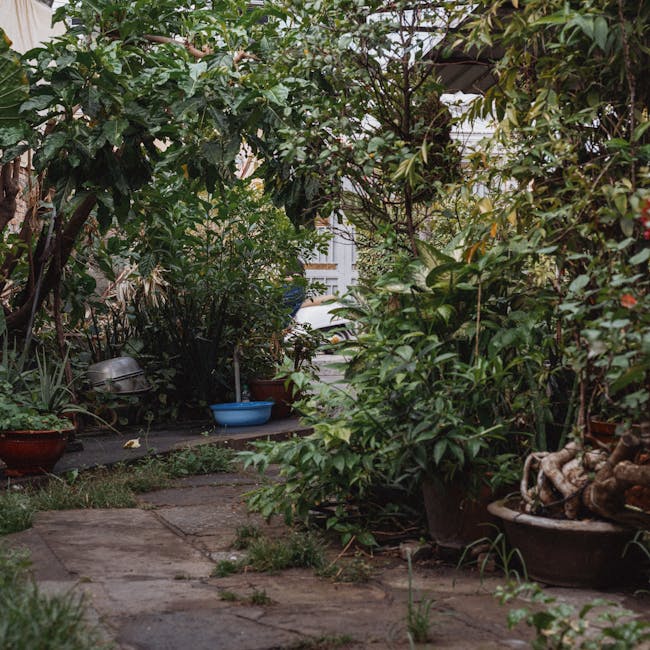
Hendon business gardening services for shops offices and flats
If you manage a shopfront, office entrance, courtyard, or flat development in Hendon, the outside space does more work than most people realise. It greets customers, calms residents, and quietly shapes how professional the whole place feels. That is exactly where Hendon business gardening services for shops offices and flats come in. Done well, they keep planting tidy, paths clear, entrances welcoming, and the site looking cared for rather than merely survived. And let's face it, the difference between "well maintained" and "a bit forgotten" can be a single windy week.
This guide explains what commercial gardening support usually includes, how it works in practice, what to ask for, and how to avoid the common mistakes that lead to patchy results. You will also find a checklist, a comparison table, and a realistic look at the sort of maintenance plans that suit different premises.
For readers who want to see the wider service range first, the services overview is a useful starting point. If you are already comparing suppliers, you may also want to look at pricing and quotes once you understand what level of care your site actually needs.
Table of Contents
- Why Hendon business gardening services for shops offices and flats Matters
- How Hendon business gardening services for shops offices and flats Works
- Key Benefits and Practical Advantages
- Who This Is For and When It Makes Sense
- Step-by-Step Guidance
- Expert Tips for Better Results
- Common Mistakes to Avoid
- Tools, Resources and Recommendations
- Law, Compliance, Standards, or Best Practice
- Options, Methods, or Comparison Table
- Case Study or Real-World Example
- Practical Checklist
- Conclusion
- Frequently Asked Questions
Why Hendon business gardening services for shops offices and flats Matters
Commercial outdoor spaces are not the same as private gardens. They are used more, seen more, and judged more quickly. A small strip of grass outside a shop can set the tone for the entire frontage. An office courtyard can influence staff morale. A flat block garden can become a shared frustration if it is overgrown, unsafe, or simply left to drift.
That is why Hendon business gardening services for shops offices and flats matter so much: they protect presentation, usability, and safety at the same time. In busy parts of North London, even modest planting beds need regular attention. Leaves collect near doors, hedges block sightlines, weeds push through paving, and one untidy corner makes the whole site look less cared for. It happens fast. Faster than most people expect, truth be told.
There is also the practical side. Customers notice entrances. Tenants notice shared areas. Staff notice whether the space feels clean and calm or slightly neglected. A well-kept site can also reduce avoidable complaints. No one wants to hear that bins are surrounded by brambles, or that a path feels slippery because moss has been left to build up. Small issues grow teeth if nobody stays on top of them.
For many properties, garden care is not really about "pretty flowers" in the decorative sense. It is about reliable upkeep: lawns trimmed, hedges controlled, borders cleared, waste removed, and seasonal changes handled before they become a bigger job. That is the real job, and it is a proper job.
Expert summary: If your outdoor space is visible to customers, residents, or staff, it is part of the property's first impression. Regular business gardening turns that space from a maintenance worry into an asset.
How Hendon business gardening services for shops offices and flats Works
The process usually starts with a site review. A good gardener or maintenance team will look at the layout, plant type, access points, waste volume, seasonality, and any risks such as uneven ground or tight service entrances. The aim is not to produce a fancy plan for its own sake. The aim is to work out what the site needs, how often it needs it, and what can be done safely without disrupting people who use the space.
For example, a small office may only need routine lawn cutting, edging, and occasional hedge trimming. A retail frontage might need more frequent visits because litter, foot traffic, and visible presentation matter more. A block of flats often needs a broader routine: grass care, path clearance, shrub management, seasonal pruning, and removal of green waste after each visit. One size does not fit all. If anyone tells you it does, be a bit cautious.
In practice, maintenance can be set as weekly, fortnightly, monthly, or seasonal visits depending on growth and use. Services often include mowing, strimming, leaf clearance, weeding, hedge trimming, planting tidy-ups, shrub reduction, border maintenance, and green waste disposal. Some sites also benefit from more substantial work such as garden clearance when the outdoor area has been neglected or needs a reset before regular maintenance can begin again.
Where the site has hard landscaping or wood features, work may also involve keeping edges, planters, and access routes clean and safe. If the space includes a terrace, raised deck, or similar feature, a team may discuss whether decking services or related upkeep is needed alongside the planting and lawn work.
Most importantly, a commercial schedule should be predictable. Residents and staff do not want random visits that clash with loading times or office arrivals. A tidy site is one thing. A tidy site with no disruption is better.
Key Benefits and Practical Advantages
There is a reason commercial clients keep returning to structured maintenance rather than ad hoc one-off tidying. It saves trouble. It also tends to save money over time, even if the monthly spend feels like an extra line on the budget at first glance.
- Better first impressions: A clean, ordered frontage helps customers and visitors feel confident before they step inside.
- Reduced safety risks: Clear paths, trimmed growth, and tidy edges help lower trip, slip, and obstruction issues.
- Less staff distraction: Office teams should not have to worry about overgrown borders or a bin area that looks like a small jungle.
- Improved resident satisfaction: In flats, shared outdoor space can become a source of pride instead of complaints.
- Seasonal control: Growth, leaf fall, and weather changes are easier to manage when they are anticipated.
- More efficient budgeting: Regular visits are easier to plan for than emergency tidy-ups after things slide.
There is a softer benefit too. People generally behave differently in a space that looks looked after. They drop less litter. They notice damage sooner. They are more likely to treat communal areas with a bit of care. Not always, of course. London is still London. But enough to matter.
For businesses that want a broader exterior refresh, it may be sensible to combine routine maintenance with occasional landscape improvements. Services such as landscaping or landscape gardening can help reshape awkward spaces, improve planting structure, or make a tired entrance feel more intentional.
Who This Is For and When It Makes Sense
This type of service is relevant to more people than you might first think. It is not just for large corporate campuses or apartment towers with polished communal lawns. Smaller sites often need it just as much, sometimes more so because they do not have an in-house facilities team to keep an eye on things.
Shop owners and retail managers
If your shop has a pavement edge, planter, frontage strip, or rear yard, regular gardening helps keep the place readable and inviting. A well-kept edge can subtly support footfall. A neglected one can make people walk on. Harsh, but true.
Office managers and landlords
Offices need outdoor spaces that feel professional without becoming high-maintenance. Staff want somewhere pleasant to step out for a break, and clients notice neat entrances. Maintenance also helps when you are juggling cleaners, deliveries, and building access already. One less headache, which is always welcome.
Block managers and resident associations
Shared gardens in flats create a different challenge. They are communal, so expectations vary. Some residents want neat lawns and flowers. Others want low upkeep and no fuss. A sensible maintenance plan balances appearance with practicality, especially where access, noise, and waste disposal need to be managed carefully.
When it makes sense to bring someone in
It usually makes sense when any of the following apply:
- the site is visible to the public
- growth is happening faster than staff can keep up with
- the space has become uneven, cluttered, or embarrassing to look at
- there are complaints about safety or presentation
- you need a reliable routine rather than occasional reactive work
- the site has too many moving parts for a general caretaker to handle alone
If you are unsure how much support you need, start with a walkthrough and a maintenance plan discussion. A good provider should help you decide what needs weekly attention and what can safely be left for occasional work. That sort of judgement matters more than big promises.
Step-by-Step Guidance
Here is a practical way to approach business gardening without overcomplicating it.
- Identify the problem areas. Walk the site and note what looks untidy, unsafe, or overgrown. Pay attention to entrances, side passages, bin areas, rear yards, and anything people use daily.
- Separate urgent work from routine work. Some jobs need immediate attention, like blocked access or thick overgrowth. Others belong in a regular schedule, such as mowing, trimming, or seasonal planting care.
- Choose the right service level. A small shop front may need light maintenance. A large block of flats may need a broader plan with multiple tasks per visit.
- Ask how waste will be handled. Green waste removal sounds minor until bags and cuttings start piling up. Make sure disposal is included or clearly agreed.
- Set access arrangements. For offices and flats, this is often where delays happen. Agree keys, site contact details, parking, and any restricted time windows in advance.
- Agree the frequency. Weekly, fortnightly, or monthly? It depends on growth, use, and how visible the site is. In spring and early summer, many spaces need more frequent attention.
- Review after the first few visits. The first month usually tells you a lot. Is the schedule too light? Is the site holding up well? Does anything need adding or cutting back?
A useful rule: if the site looks good only immediately after a visit but not before the next one, the schedule probably needs adjusting. Simple as that.
Expert Tips for Better Results
A few practical habits make a noticeable difference. These are the details people often skip, then wonder why the site keeps slipping backwards.
- Keep edges and entrances in focus. The first five metres around a property entrance do more visual work than almost anywhere else.
- Match maintenance to growth rate. Fast-growing hedges and spring lawns need more attention than winter borders. Don't lock yourself into a plan that ignores the season.
- Use mulching and tidy borders where appropriate. These can reduce weed pressure and make planting beds easier to manage.
- Agree what counts as "tidy". It sounds obvious, but different people picture different results. A short note or walkaround helps avoid misunderstandings.
- Check drainage and damp spots. A garden can look fine while quietly developing puddles, moss, or compacted soil problems.
- Think about residents and neighbours. Noise, timing, and access matter in flats and mixed-use buildings. A considerate routine keeps everybody calmer.
- Plan for leaf fall before it starts. Autumn is not the time to suddenly ask where all those leaves came from. They were there all along, just waiting.
One more thing: if your site includes overgrown shrubs or small trees, do not leave them until they become a visibility or safety issue. It may be worth discussing hedge trimming or, where necessary, tree lopping and removal as part of a broader maintenance plan. That way the site stays manageable instead of becoming a seasonal rescue job.
Common Mistakes to Avoid
Most poor results in business garden maintenance come from a few very ordinary mistakes. Nothing dramatic. Just avoidable stuff that snowballs.
- Only booking clean-ups when things look bad. One-off fixes often cost more effort than steady maintenance.
- Ignoring access and logistics. If the team cannot get in smoothly, the work is slower and the site may be left half-finished.
- Choosing a plan that is too light. This is common with flats and retail sites. The space simply outgrows the schedule.
- Skipping waste removal. Green cuttings, branches, and debris need a destination, not just a pile.
- Not matching the service to the site type. An office courtyard and a shared residential garden have different priorities. Treating them the same rarely works.
- Forgetting seasonal variation. A plan that works in November may not cope with May growth.
- Failing to check insurance and safety arrangements. For commercial work, that should never be left vague.
There is also a subtle mistake people make: trying to make the outdoor space do too much. A small entrance bed does not need to be a botanical masterpiece. Sometimes neat, durable, and easy to maintain is the smartest choice. Not glamorous, maybe. But smart.
Tools, Resources and Recommendations
You do not need to become a gardening expert to manage a site well, but it helps to understand the basics of what a maintenance team is likely to use. That makes conversations clearer and stops small misunderstandings later.
| Task | Typical tools or approach | What good looks like |
|---|---|---|
| Lawn care | Mower, strimmer, edging tools | Even finish, neat borders, no scalping or missed strips |
| Hedge work | Hedge trimmers, hand finishing tools | Straight, balanced shape with clean cut surfaces |
| Weeding | Hand removal, hoeing, mulch, targeted treatment where suitable | Borders stay manageable rather than becoming a patchwork |
| Clearance | Rakes, bags, loaders, cut-and-load methods | No leftover debris, paths and access points clear |
| Seasonal tidy-up | Leaf blowers, rakes, pruning tools, waste removal | Area looks reset, not just shuffled around |
For sites needing routine grass care, the dedicated lawn mowing service may be a practical part of the plan. For broader recurring upkeep, garden maintenance is usually the better fit because it covers the bigger picture rather than just one task.
It is also worth thinking about sustainability. In many commercial settings, waste handling and material reuse matter just as much as appearance. If that is a priority for your building or management team, the provider's approach to recycling and sustainability can be a useful part of the decision. Not every site needs the same method, but the thinking should be sensible and tidy.
Law, Compliance, Standards, or Best Practice
Commercial gardening is not usually a heavily regulated service in the way some trades are, but there are still important duties and best practices to respect. For shops, offices, and flats, the main concerns are safety, access, waste handling, and making sure work is carried out responsibly.
In the UK, property managers and employers generally have to think about visitor safety, common areas, and practical risk control. That usually means keeping walkways clear, avoiding obstructed exits, managing trip hazards, and making sure maintenance work does not create new problems. If a garden path is slippery with moss or blocked by cuttings, the issue is not cosmetic any more. It becomes a site-management concern.
It is also sensible to ask about insurance, worker safety procedures, and how the contractor handles equipment near the public. You do not need a lecture, just clear answers. A professional outfit should be able to explain how it works in plain English. If that feels awkward, it probably should not.
For more background on how a provider approaches safety, you can review the site's health and safety policy and insurance and safety information. These pages are useful because they help set expectations before work starts, especially where access is shared with tenants, staff, or customers.
Commercial clients also tend to value transparent administration. That includes straightforward communication on payment and security, clear terms, and a fair way to raise issues if something goes wrong. For that reason, it can help to review the supplier's terms and conditions and complaints procedure before agreeing to ongoing work.
If you need reassurance about company background and working style, the about us page is also worth a look. A little context goes a long way when you are trusting someone with a visible shared space.
Options, Methods, or Comparison Table
Different properties need different maintenance models. Here is a straightforward comparison to help you choose what fits best.
| Option | Best for | Pros | Watch-outs |
|---|---|---|---|
| One-off tidy-up | Neglected spaces, post-tenant change, seasonal reset | Quick improvement, useful for starting again | Does not prevent the site from slipping again |
| Regular maintenance plan | Shops, offices, flats with visible outdoor areas | Predictable, easier to budget, keeps standards steady | Needs the right frequency or it becomes too light |
| Maintenance plus landscaping | Sites needing redesign or stronger structure | Improves appearance and function together | More planning required upfront |
| Targeted specialist tasks | Hedges, trees, clearance, decking or hardscape issues | Solves specific problems well | May need coordination with general upkeep |
For many Hendon properties, the best answer is a blend. For example, an apartment block may use regular maintenance for grass and borders, with occasional garden clearance after leaf fall or tenant turnover. A retail frontage may need mowing and hedge work in summer, then lighter seasonal attention through winter. The pattern changes, but the principle stays the same: keep the site under control before it gets away from you.
Case Study or Real-World Example
Imagine a mixed-use building with offices above and a small row of ground-floor units. The outdoor space is not large, but it is very visible. There is a planted strip by the front, a narrow side access route, and a shared rear yard where bins are collected. Nothing dramatic. Just enough space for problems to build quietly.
At first, the building team tried to manage things informally. Staff trimmed a little here, somebody "meant to" deal with the weeds there, and the rest was left until it became obvious. By late spring, the frontage looked untidy from the pavement, the side route had overhanging growth, and the rear yard had become the sort of place people hurried through rather than used properly.
The fix was simple enough, though not instant. The site was cleared back to a manageable level, the mowing and edging were brought onto a routine, and the hedge line was trimmed to keep access clear. A seasonal plan was then set up so the team knew what would happen and when. The difference after a few visits was clear: the place felt calmer, more open, and easier to manage. The bin area no longer looked like a minor scandal. That helps more than people expect.
What this example shows is not that every site needs a dramatic transformation. Quite the opposite. Most commercial gardens just need consistency, decent timing, and a practical eye.
Practical Checklist
Use this checklist before booking or reviewing a commercial gardening arrangement.
- Is the site split into public, staff, and private access areas?
- Do you know which parts need weekly attention and which can be left longer?
- Are paths, entrances, and bin areas clearly covered in the plan?
- Has green waste removal been discussed and agreed?
- Do you know who provides access and who signs off work on site?
- Are there any hedges, shrubs, or trees that need specialist attention?
- Have safety and insurance expectations been checked?
- Is the work schedule realistic for the season?
- Have you agreed what "tidy" means for your building?
- Do you have a simple way to review results after the first few visits?
If you can answer "yes" to most of those, you are already ahead of many sites. Honestly, a lot of trouble starts because nobody asked the simple questions early enough.
Conclusion
Hendon business gardening services for shops offices and flats are about more than appearance. They support safety, reputation, resident comfort, and day-to-day practicality. A good plan keeps the site neat without making it over-managed, and it helps you avoid the expensive cycle of letting things slide and then scrambling to recover them.
The best results usually come from clear expectations, sensible frequency, and a provider that understands how commercial and residential sites differ. If you know what your frontage, courtyard, or communal garden needs, you can make a smarter choice and keep the space working for the people who use it every day.
If you are ready to compare service levels, review the services overview, look at pricing and quotes, and then decide what best fits your building. That is usually the cleanest next step.
Get a free quote today and see how much you can save.
Sometimes the smallest patch of green says the most about a place. Keep it cared for, and it quietly lifts everything around it.
Frequently Asked Questions
What do Hendon business gardening services for shops offices and flats usually include?
They usually cover lawn mowing, edging, weeding, hedge trimming, seasonal tidy-ups, shrub care, and green waste removal. Some sites also need clearance or landscaping work alongside routine maintenance.
How often should a commercial garden be maintained?
That depends on the site, but many shops and flats benefit from weekly or fortnightly visits in the growing season. Offices with smaller or lower-growth spaces may only need monthly attention. The key is matching the schedule to actual growth, not guesswork.
Is one-off garden clearance enough for a business site?
It can help as a reset, especially if a garden has been neglected. But one-off clearance does not replace regular care. If you want the space to stay presentable, a maintenance plan is usually the better long-term option.
What is the difference between garden maintenance and landscaping?
Garden maintenance keeps the space tidy and healthy through routine care. Landscaping is broader and may involve redesigning, rebuilding, or reshaping the outdoor area. Many commercial sites use both, depending on the condition of the space.
How do I know if my office or flat block needs hedge trimming?
If hedges are blocking entrances, overhanging paths, reducing visibility, or making the site feel enclosed, it is probably time. Even if they still look green, they may need trimming to stay neat and safe.
Can a business gardening service work around access times?
Yes, in most cases. Shops, offices, and flats often need work scheduled around opening hours, deliveries, or resident access. Good planning matters more than speed here.
Do commercial gardeners remove the waste?
They usually should, or at least clearly explain how waste will be handled. Green cuttings, branches, and debris should not be left on site unless that has been agreed in advance.
What should I ask before hiring a gardener for flats?
Ask about frequency, access, insurance, waste removal, safety procedures, and how they handle shared spaces. For flats especially, you also want to know how they will manage noise, resident access, and common areas.
Are business gardening services suitable for small shop fronts?
Absolutely. Small frontage strips, planters, and rear yards still need care. In fact, smaller sites can look untidy very quickly because every detail is visible.
How can I keep costs under control without letting the site deteriorate?
Use a maintenance plan that focuses on the most visible and highest-risk areas first. Agree the right frequency, keep the scope realistic, and avoid waiting until the site needs a major rescue. Regular work is usually easier to budget for than repeated emergencies.
What if the site has more than just planting and lawn areas?
That is common. Some properties also need support with hard landscaping, decking, or tree-related work. It is sensible to bring those elements into the discussion early so the whole site can be managed as one system rather than in separate bits.
Where can I check the company's policies before booking?
Useful starting points include the health and safety policy, insurance and safety page, terms and conditions, and contact us page. That gives you a clearer picture before you commit.